
Get to the constraint
Then work on the right thing
Focused support for a defined challenge involving performance, capacity, cost, quality, flow or scale.
What is the operation telling you?
The visible problem is a starting point. The work is to understand what drives it—and which changes will hold up in practice.
Output below what the line should deliver
Where is capacity actually being lost? Which constraint governs the result?
The same quality or cost issue returns
Has the cause been demonstrated, or are people repeatedly treating the symptom?
Growth is putting pressure on flow
How do process, layout, equipment and operating routines need to change together?
More data, but little more clarity
Which information supports a decision, and how does it translate into action on the floor?
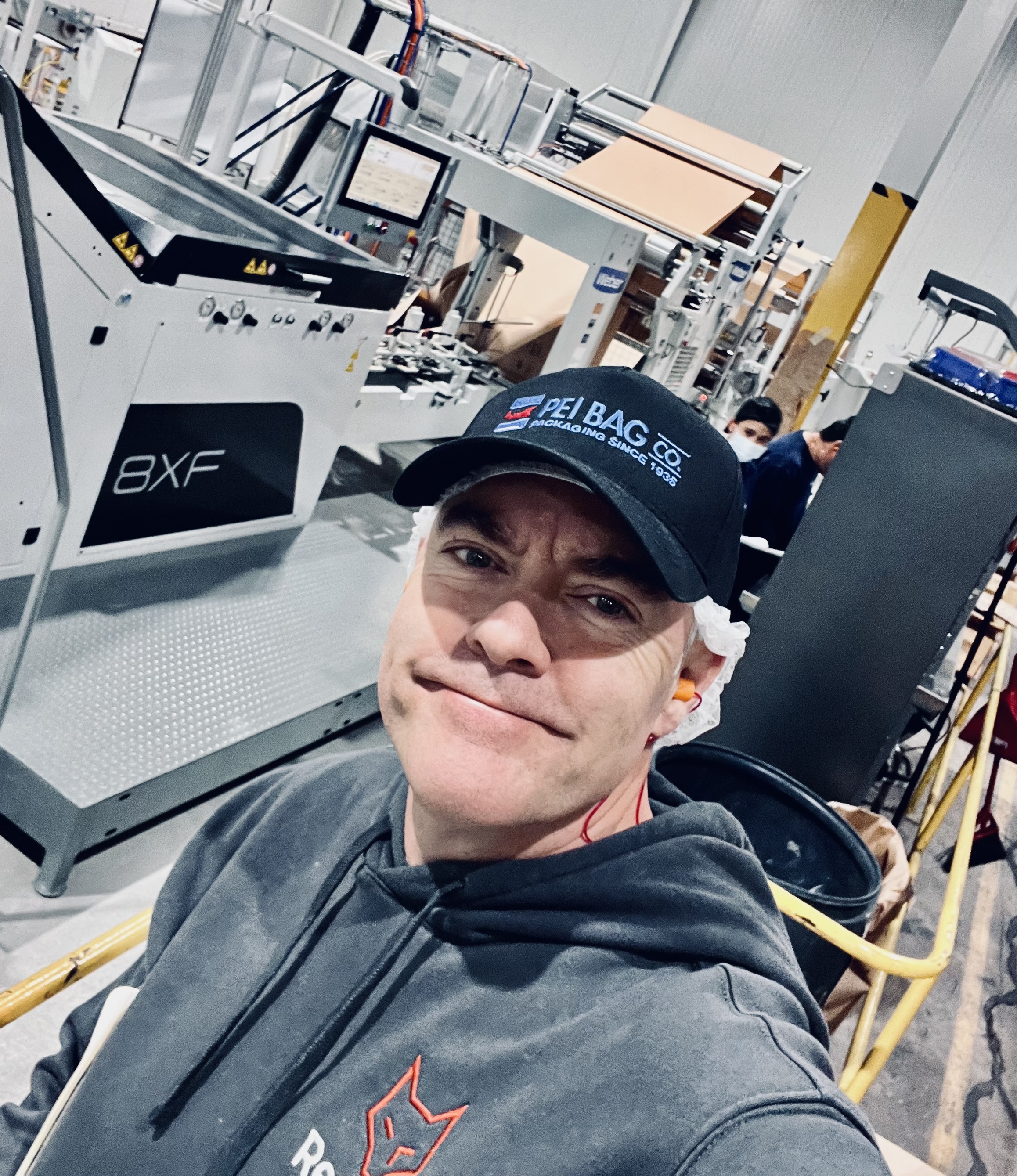
Observe
Test
Improve
Begin with the process as it actually runs. Combine floor observation, conversations with the people doing the work, and relevant operating data.
Use that evidence to diagnose the issue, define a practical future state and support the changes needed to reach it. Strengthen the management routines and problem-solving capability around the solution.
Better visibility
More output
approximate units per minute
Diagnosing constraints and strengthening daily performance management supported a 40%+ improvement in line performance.
Read the resultSelected engagement result. Future results depend on the situation.
Before you automate,
understand the process
Automation, analytics and AI should be evaluated against a specific operating need. The starting point is the business problem—not the technology.
Understanding process stability, data and internal capability helps clarify where technology may be useful and what must be ready around it.
Which operating issue
needs a closer look?
Bring the constraint, the recurring problem or the expansion question. We can start with what you know—and what you still need to understand.
Start a Conversation